How Tartan and Clans Shape Scottish Identity
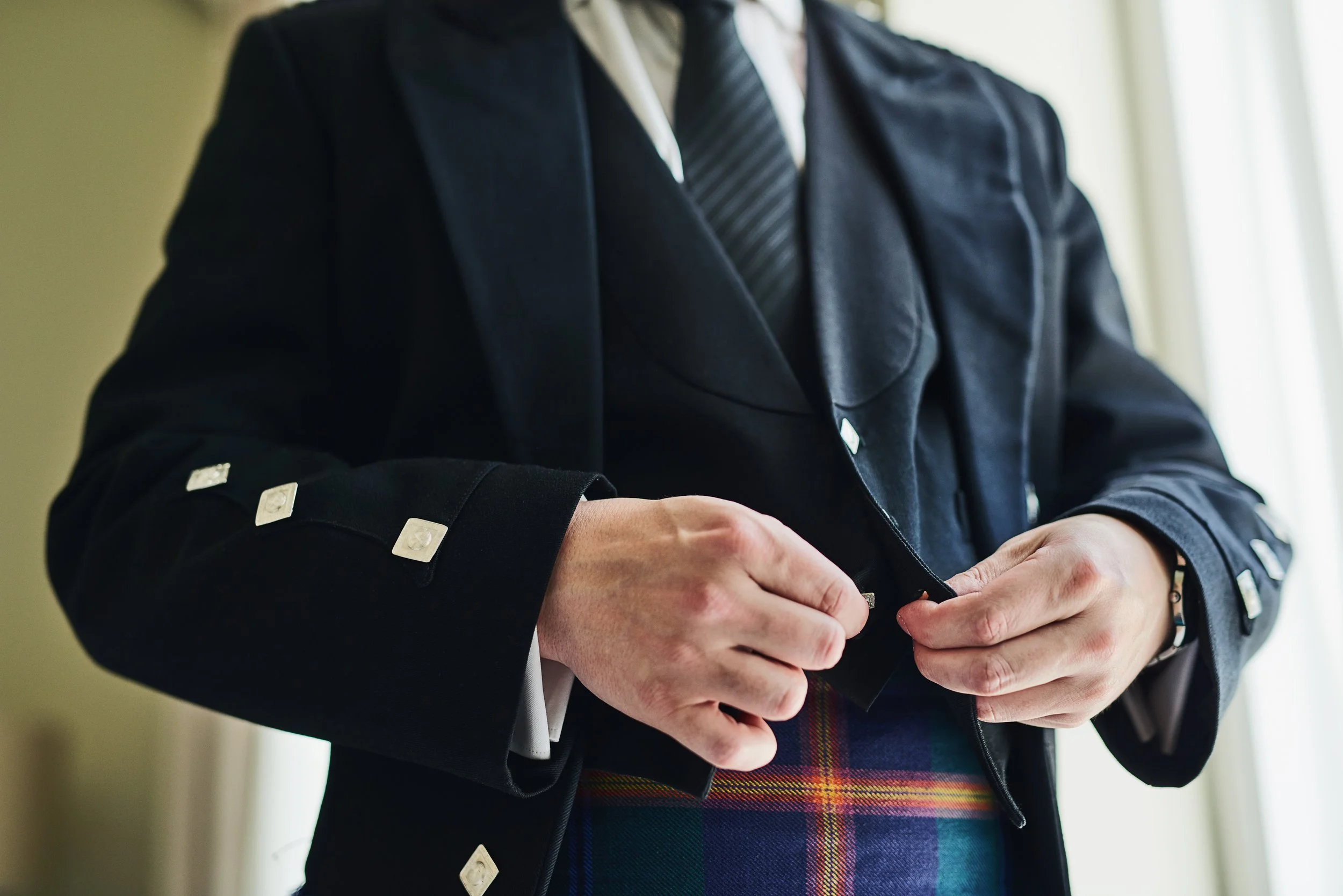
For many, Scottish identity begins with a pattern. A flash of color across a kilt, a familiar surname tied to a distant Highland lineage, a sense—sometimes faint, sometimes deeply felt—that heritage lives in fabric and family alike. Tartan and clan identity have become some of the most recognizable symbols of Scotland, carried far beyond its borders and embraced by generations of the Scottish diaspora. Yet the meanings we often assign to them today are not always rooted in historical reality. They are, instead, a layered combination of tradition, reinvention, and cultural storytelling.
To understand what tartan and clans really mean is not to strip away their significance, but to deepen it. When we move beyond simplified narratives, we begin to see something more compelling: a living cultural language shaped by geography, politics, memory, and identity. This is where heritage becomes not just something we inherit, but something we actively participate in preserving and interpreting.
The Early Origins of Tartan
Long before tartan was associated with specific clans, it existed simply as a practical textile. Archaeological evidence suggests that patterned woolen cloth resembling tartan appeared in Scotland as early as the 3rd century CE, with fragments like the Falkirk tartan offering a glimpse into early weaving techniques. These early patterns were not symbolic in the way we understand them today. They were the natural result of available dyes, local resources, and regional weaving practices.
In the Highlands especially, tartan developed as a functional fabric suited to the environment. Wool was abundant, durable, and adaptable, and the checked patterns—created by alternating dyed threads—helped conceal wear and stains from daily life. The colors themselves often reflected the surrounding landscape, drawn from plant-based dyes derived from roots, berries, and lichens. In this sense, tartan was less about identity in the social sense and more about identity in the geographical one. It told a story of place, not lineage.
Regional variation did emerge, but it was informal and fluid. A particular glen or district might favor certain color combinations, but these were not codified or regulated. Weavers produced patterns based on skill, availability, and preference, and individuals wore what was accessible rather than what was prescribed. The idea that each tartan corresponded neatly to a specific clan would not take hold until much later.
The Victorian Era’s Influence
The modern understanding of tartan owes much to the 19th century, when Scotland underwent a cultural revival shaped heavily by Romanticism and royal influence. Following the suppression of Highland culture after the Jacobite uprisings—particularly the Dress Act of 1746, which restricted the wearing of Highland dress—tartan experienced a dramatic transformation in meaning when those restrictions were lifted in 1782.
By the time of King George IV’s visit to Scotland in 1822, orchestrated in part by Sir Walter Scott, tartan had become a powerful symbol of Scottish identity. The event encouraged Highland dress as a unifying national costume, even among Lowlanders who had not historically worn it. This moment marked the beginning of tartan’s reinvention—not just as regional attire, but as a national emblem.
The Victorian era accelerated this transformation. Publications like the Vestiarium Scoticum attempted to catalogue and assign tartans to specific clans, often with questionable historical accuracy. At the same time, Queen Victoria and Prince Albert’s deep fascination with the Highlands—expressed through their residence at Balmoral and their public embrace of tartan—cemented its place in British cultural imagination.
What emerged was a system that felt ancient but was, in many ways, newly constructed. Clan tartans became standardized, recorded, and widely distributed. The association between surname and pattern became more rigid, even if it did not reflect earlier historical practice. Yet despite its romanticized origins, this system took hold because it fulfilled a cultural need. It gave people—especially those far removed from Scotland—a tangible way to connect with their heritage.
What Clans Actually Were
To understand clans, we must first set aside the modern assumption that they functioned primarily as extended families defined by blood. While kinship was certainly a component, clans were fundamentally social and political structures rooted in loyalty, territory, and leadership.
The word “clan” itself comes from the Gaelic clann, meaning “children” or “family,” but in practice, a clan operated more like a community under the authority of a chief. Members of a clan might share a surname, but many did not. Tenants, allies, and even those seeking protection could become part of a clan without any direct genealogical connection to its leadership.
Clans were tied to land as much as they were to people. Their identity was shaped by geography, with each clan occupying and defending a particular territory. The chief acted as both leader and protector, responsible for maintaining order and securing resources. In return, clan members offered loyalty, labor, and military support.
This structure created a system that was dynamic rather than fixed. Allegiances could shift, particularly in times of conflict, and the composition of a clan could change over generations. The rigid, surname-based identity we often associate with clans today simplifies a far more complex reality.
Common Misconceptions
The enduring popularity of tartan and clan identity has inevitably led to a number of myths—some harmless, others more limiting in how they shape our understanding of Scottish heritage.
One of the most common misconceptions is that every Scottish surname has a single, “correct” tartan. In reality, the historical record does not support such strict one-to-one relationships. Many surnames are associated with multiple clans, and many clans have several tartans, including ancient, modern, hunting, and dress variations. The idea of exclusivity is more a product of Victorian standardization than historical practice.
Another myth is that tartan itself is ancient in its current form. While patterned cloth certainly dates back centuries, the specific designs and clan associations we recognize today are often much more recent. This does not make them inauthentic, but it does mean they should be understood as part of an evolving tradition rather than a static inheritance.
There is also the notion that one must prove direct lineage to participate in clan culture. Historically, belonging to a clan was as much about allegiance and community as it was about ancestry. Today, that spirit of inclusion continues, particularly in diaspora communities where cultural connection often transcends strict genealogical boundaries.
Recognizing these distinctions does not diminish the meaning of tartan or clans. Instead, it allows us to engage with them more thoughtfully, appreciating both their historical roots and their modern interpretations.
Modernizing Tartan
Today, tartan is both a preserved tradition and a living art form. New tartans are designed and registered every year, reflecting not only families and clans but also organizations, regions, and even significant events. This ongoing evolution underscores an important truth: tartan has never been static.
Modern tartans are carefully documented, often through official registries that record thread counts, colors, and historical context. Designers may draw inspiration from traditional palettes or create entirely new combinations that reflect contemporary identities. In this way, tartan continues to function as a visual language—one that can honor the past while speaking to the present.
For members of the Scottish diaspora, this adaptability is especially meaningful. It allows individuals and communities to express their connection to Scotland in ways that feel personal and relevant, whether through traditional clan tartans or newly created designs that reflect shared experiences.
Community Over Lineage
While the traditional clan system no longer operates as it once did, its legacy lives on through modern clan societies and cultural organizations. These groups serve as hubs for education, preservation, and community, bringing people together around a shared interest in Scottish heritage.
Modern clan societies often focus on historical research, cultural programming, and social connection. They may host gatherings, support genealogical exploration, and participate in larger events such as Highland games and festivals. Importantly, they tend to emphasize inclusivity, welcoming individuals who feel a connection to a clan regardless of whether they can trace a direct lineage.
This shift reflects a broader understanding of identity as something that is both inherited and chosen. In diaspora communities, where generations may be removed from Scotland, the act of participating in a clan society becomes a way of maintaining cultural continuity. It transforms heritage from a distant concept into an active, lived experience.
How to Find Your Clan
For those beginning their journey into Scottish heritage, the question of “finding your clan” is often one of the first steps. While the process can be straightforward for some and more complex for others, it is ultimately an invitation to explore history, family, and identity.
The most common starting point is a surname. Many surnames are traditionally associated with specific clans, and these connections can provide a useful entry point for research. However, it’s important to approach this with flexibility, as surnames may have multiple associations or may have evolved over time.
Genealogical research can offer deeper insight, particularly when records are available that trace family lines back to Scotland. This process may involve historical documents, immigration records, and oral histories passed down through generations. For some, the journey reveals a clear connection; for others, it opens up a broader understanding of regional or cultural ties.
At the same time, it’s worth remembering that clan identity has never been solely about bloodlines. Historically, individuals became part of clans through allegiance, geography, and community. That perspective remains relevant today, especially within diaspora communities.
For those looking for guidance, the United Scottish Clans of Oklahoma offers resources to help individuals explore their heritage and learn more about clan associations. You can begin your search here: https://unitedscotsok.com/clans. Whether your connection is well-documented or still unfolding, the process itself is a meaningful way to engage with Scottish culture.
Wearing Tartan Respectfully
As tartan continues to be worn and celebrated around the world, questions of respect and authenticity naturally arise. While there are no universal rules governing who may wear a particular tartan, there are thoughtful considerations that can guide how it is worn.
Understanding the history behind a tartan—whether it is associated with a clan, a region, or a modern organization—adds depth to its use. Choosing a tartan that reflects a personal or familial connection can be meaningful, but it is not a requirement. Many tartans are considered “universal” or “district” tartans and are intended to be worn by anyone.
Respect also comes from context. Wearing tartan at cultural events, ceremonies, or gatherings is an expression of participation and appreciation. It acknowledges the significance of the tradition while contributing to its continued visibility. What matters most is not strict adherence to rules, but an informed and respectful engagement with the culture.
Diaspora and Identity: Carrying Scotland Forward
For millions of people around the world, Scottish identity exists not as a daily lived experience within Scotland itself, but as a connection carried across generations and geography. This diaspora experience is both complex and deeply personal. It is shaped by stories, traditions, and the ways in which individuals choose to engage with their heritage.
Tartan and clan identity play a unique role in this process. They provide tangible points of connection—symbols that can be seen, worn, and shared. Yet their true significance lies in what they represent: a link between past and present, between place and memory.
In diaspora communities, identity is often an act of preservation. It involves learning, participating, and passing on traditions in ways that keep them alive and relevant. This is not about recreating the past exactly as it was, but about honoring it while allowing it to evolve.
Why This Tradition Still Matters
At first glance, tartan and clans may seem like relics of history—symbols preserved for festivals, ceremonies, and special occasions. But a closer look reveals something more enduring. They are part of a living tradition, continually shaped by those who engage with it.
For organizations like the United Scottish Clans of Oklahoma, this work is both a responsibility and a privilege. By providing educational resources, hosting cultural events, and fostering community, USCO helps ensure that Scottish heritage remains accessible and meaningful. It creates space for individuals to explore their identity, connect with others, and contribute to a shared cultural legacy.
Understanding tartan and clans in their full context—historical, cultural, and modern—allows us to move beyond surface-level interpretations. It invites us to see them not just as symbols, but as stories. Stories of resilience, adaptation, and belonging. And perhaps that is what they have always been, at their core. Not just patterns or names, but ways of remembering who we are—and choosing how we carry that forward.